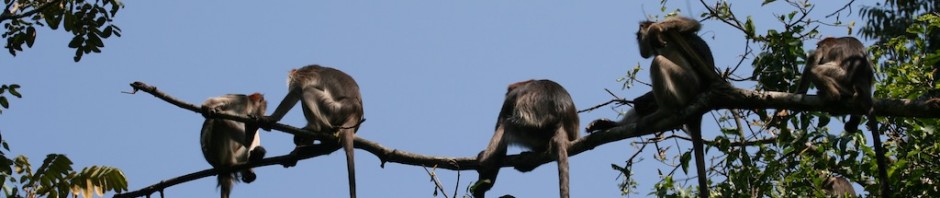

The Primate Environmental Endocrinology Lab (PEEL) explores how ecological interactions and global environmental change driven by human activity affect primates across tropical forests and other ecosystems globally. We study primates, including humans, around the world, including active projects in Uganda, Costa Rica, India, and Madagascar.

Current Projects
DISES: Understanding invisible socio-environmental systems through pesticide exposure across human-wildlife interactions in tropical forest-agricultural mosaics, funded by the National Science Foundation
Field Sites
Uganda: Kibale National Park

Most of our research takes place at Kibale National Park in western Uganda, a tropical forest where P.I. Wasserman has worked since 2003. Most of our work in Uganda is in collaboration with the Makerere University Biological Field Station.
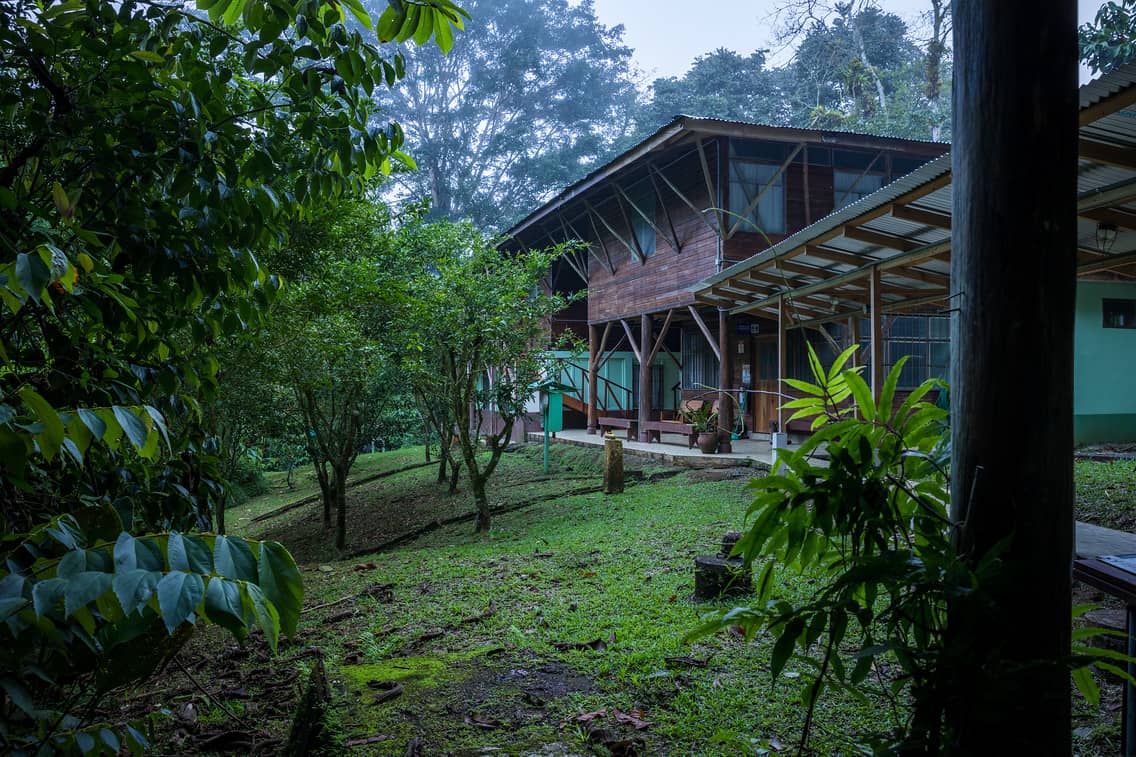
Costa Rica: La Selva Biological Field Station
PEEL works at La Selva Biological Field Station and other field sites across Costa Rica in collaboration with the Organization for Tropical Studies.
India: Himalayan Langur Project
Lab members Elizabeth Coggeshall & Diganta Mandal have begun PEEL research in the Himalayas of India. The Himalayan Langur Project’s central objectives are to investigate and conserve the rich, but overlooked, biodiversity and culture of the Indian Himalayas. Specifically, they focus on community work, the alloprimate species Semnopithecus schistaceus, and Himalayan ecology.

 Primate Environmental Endocrinology Laboratory